
Building Compassionate Capacity: Wockner-Funded Perinatal Bereavement Training for Snohomish County Birthworkers
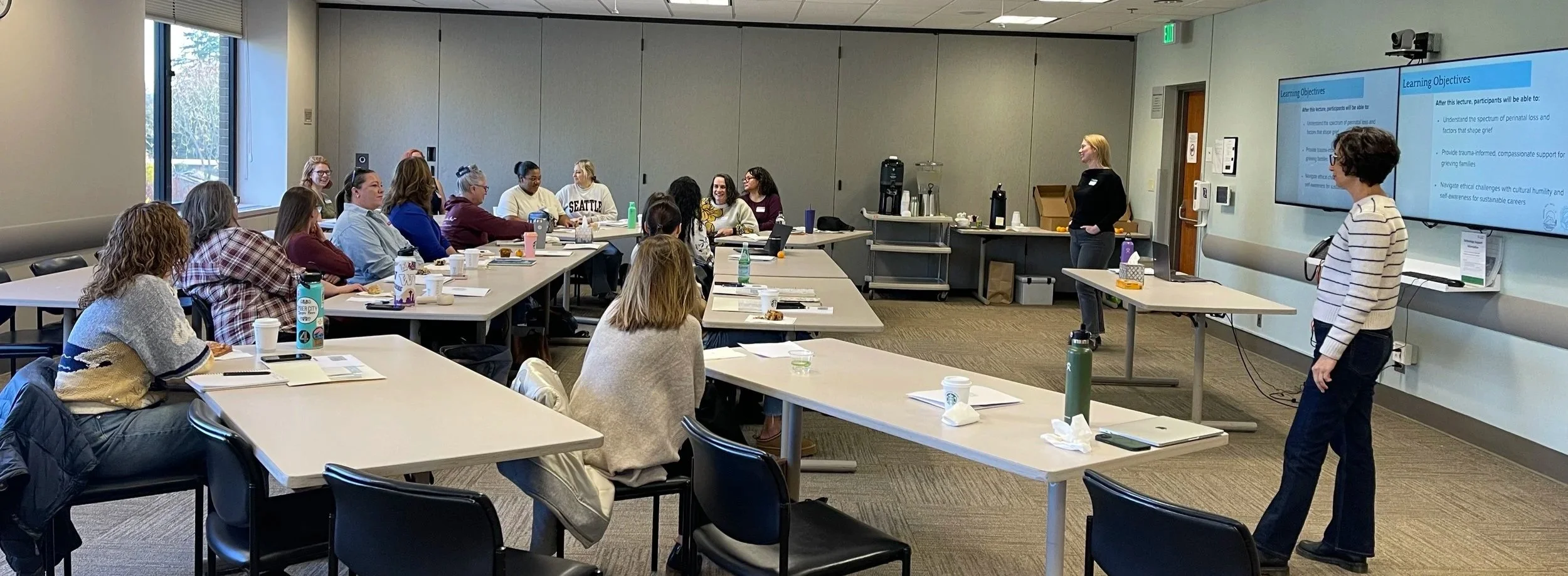
We were honored to host a Perinatal Bereavement Training for Birthworkers in Snohomish County, made possible through the generous support of The William E. Wockner Foundation. This training was developed in response to the ongoing need for trauma-informed, compassionate care for families experiencing pregnancy and infant loss and pregnancy after loss.
More than 20 birthworkers from across the Snohomish and King counties participated, representing a range of roles including doulas, midwives, childbirth educators, and other perinatal support professionals. The strong turnout reflected both the prevalence of loss within perinatal care and the commitment of local providers to strengthening how families are supported during some of their most vulnerable moments.
A Newly Developed Curriculum for Birthworkers
A central component of the training was the introduction of a newly developed perinatal bereavement curriculum for birthworkers, created through collaboration between Return to Zero (RTZ) and Intuitive Path Birth. The curriculum was designed to offer practical tools, shared language, and a trauma-informed framework for supporting families through pregnancy and infant loss and pregnancy after loss.
Participants engaged in learning focused on:
Trauma-informed approaches to pregnancy and infant loss
Compassionate, grief-sensitive communication
Cultural humility and respectful care practices
Provider self-awareness, boundaries, and sustainability
Navigating systems and connecting families with community resources
The curriculum intentionally balanced skill-building with reflection, recognizing both the clinical and emotional realities of perinatal bereavement work.
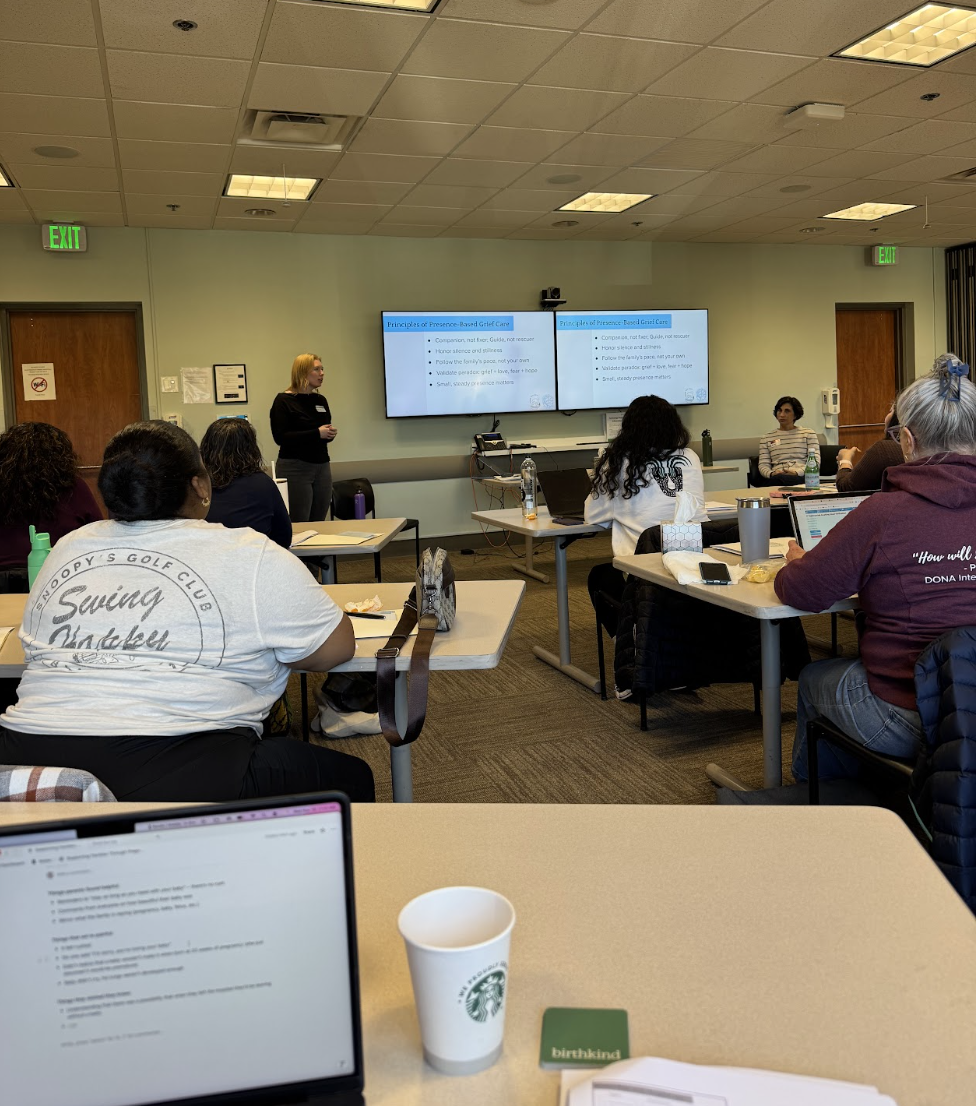
Birthworkers engage in discussion and reflection during the Wockner-funded perinatal bereavement training.
Strengthening the Local Birthworker Network
In addition to education, the training created space for connection, shared learning, and collective reflection among birthworkers who frequently support families through loss and pregnancy after loss. Participants noted that the training helped normalize grief, increase confidence, and provide language and tools that could be immediately applied in practice.
Participant feedback highlighted the training’s impact:
“The course provided compassionate, practical guidance on supporting families through pregnancy and infant loss, and helped me feel more grounded, informed, and confident in offering sensitive, trauma-aware care.”
“Loss happens more than people realize, and all of us should receive training on how to support people. I feel more confident now after this training.”
“This training covered so many important topics and was very helpful to my work with families.”
Several participants also expressed a desire for expanded access to this education, including interest in longer trainings and adaptation for hospital-based perinatal staff—underscoring the need for continued investment in bereavement-informed care across systems.
With Gratitude
We extend our sincere gratitude to The William E. Wockner Foundation for making this training possible and for supporting the development of perinatal bereavement education for birthworkers in Snohomish and King Counties. Investments like this help build capacity not only among providers, but across the communities and families they serve.
We look forward to continuing this work and expanding opportunities for birthworkers and perinatal care teams to deepen their skills, confidence, and compassion in supporting families through pregnancy and infant loss.
